

Expert Tips for Mosquito-Proofing Your Home and Yard in New York State Mosquitoes are not just annoying pests; they can also pose serious health risks by transmitting diseases such as

Sustainable Pest Control: How Termite Baits Benefit NYC’s Environment
Sustainable Pest Control: How Termite Baits Benefit NYC’s Environment Sustainable pest control refers to the management of pests in a manner that minimizes adverse effects on the environment, human health,
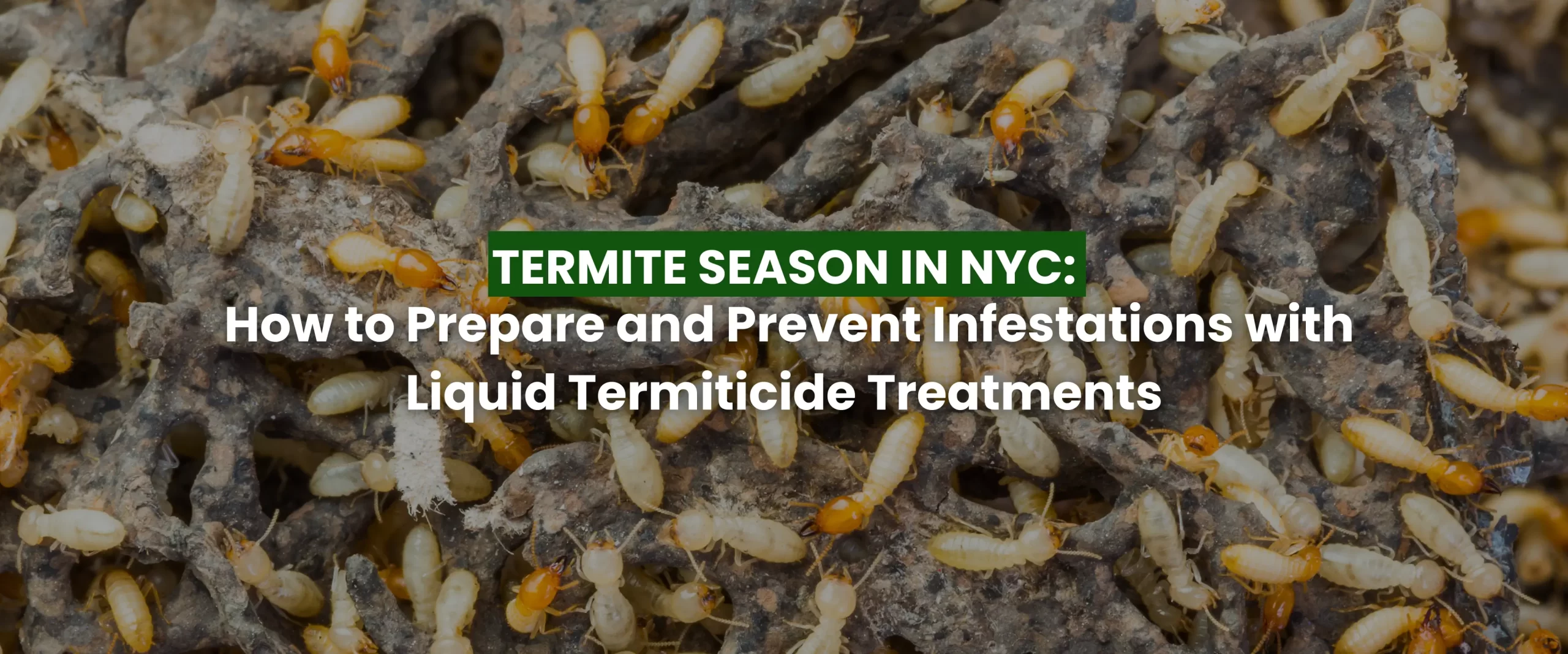
How to Prepare and Prevent Infestations with Insecticide Termiticide
Termite Season in NYC: How to prepare and Prevent Infestation With Liquid Termiticide Treatments Termite season in New York City marks a time of heightened vigilance for homeowners and property
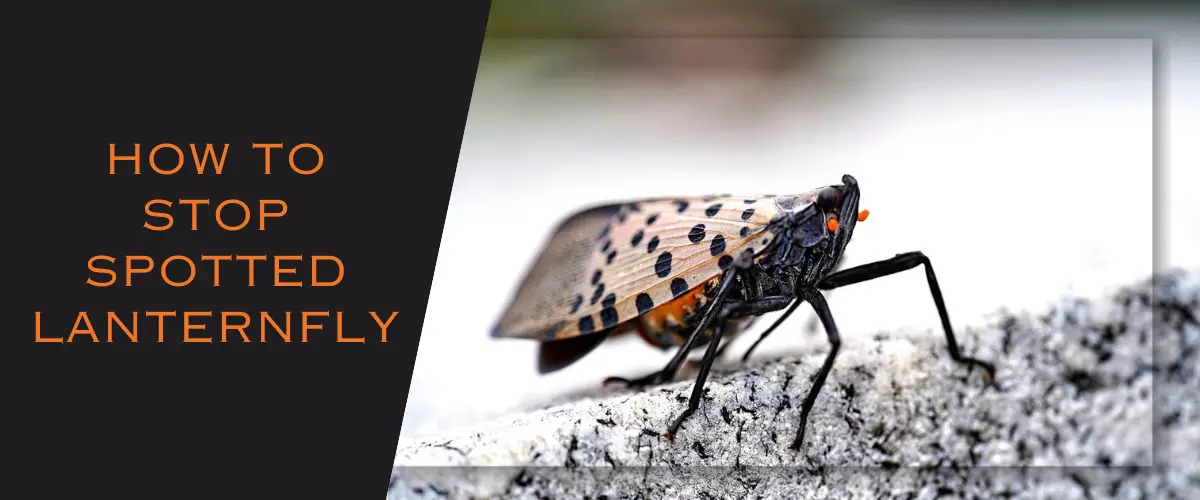
How to stop spotted lanternfly, an Unchecked Invader in New York City?
How to stop spotted lanternfly, an Unchecked Invader in New York City? In the bustling urban landscape of New York City, a quiet invasion is taking place, one that threatens
Maintaining an Integrated Pest Management Program can lower pest control cost
Maintaining an Integrated Pest Management Program can lower pest control cost Integrated Pest Management (IPM) stands as a beacon of sustainable pest control practices, emphasizing prevention, monitoring, and control techniques

A Guide To Pest-Free Property Management
A guide To Pest-Free Property Management Conducting regular property inspections for pests is a critical aspect of maintaining a healthy and pest-free environment in both residential and commercial buildings. By
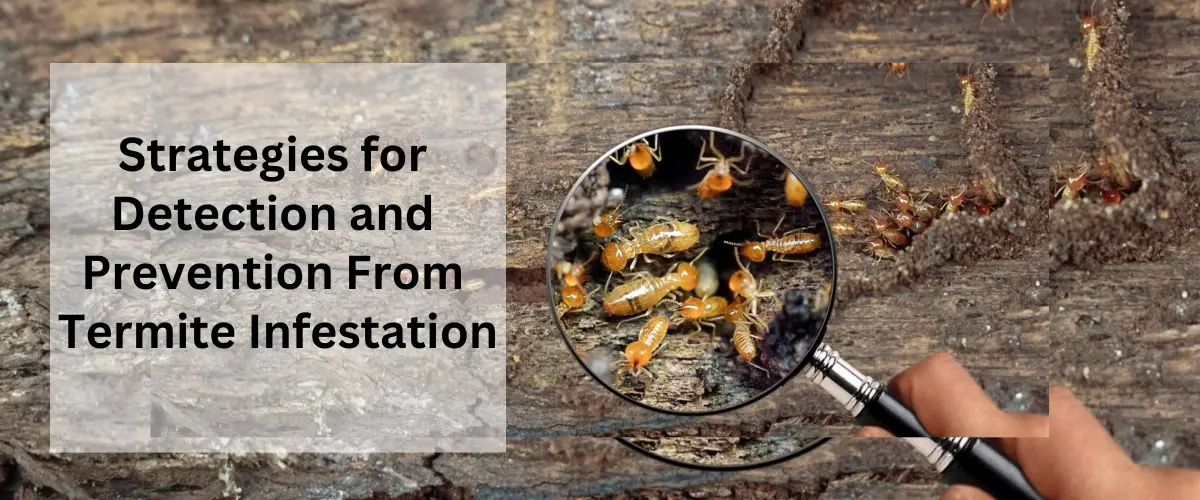
Strategies for Detection and Prevention from Termite Infestation
Strategies for Detection and Prevention From Termite Infestation How Termites cause destruction: Termites are notorious for their destructive capabilities, wreaking havoc on buildings, structures, and even furniture. Here’s how these
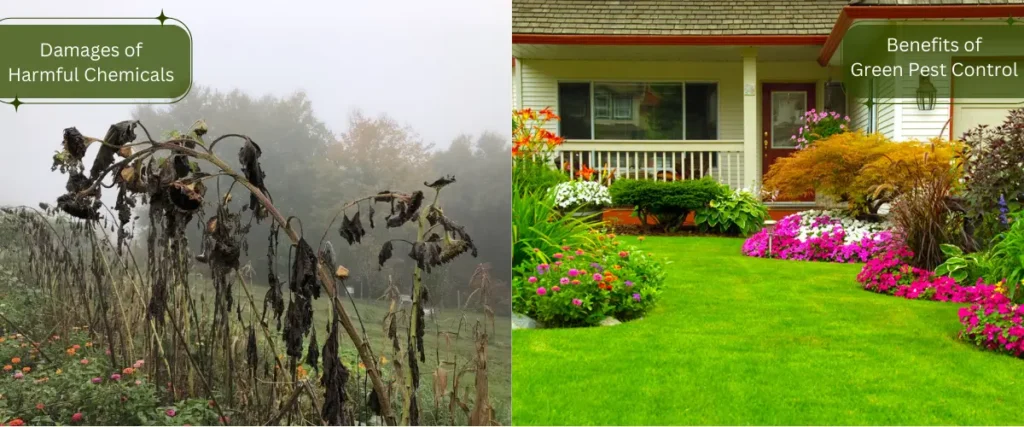
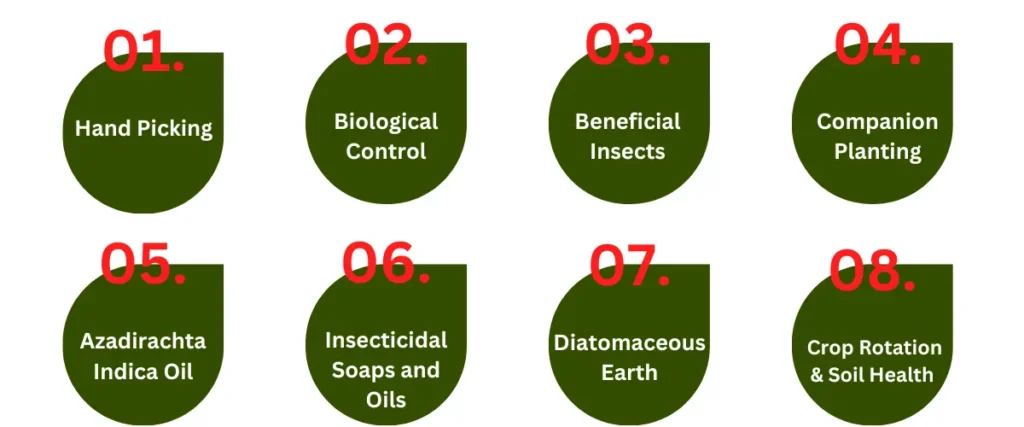
Embracing Non-Toxic green pest control Solutions
The Intriguing World of Rodent Behavior
The Intriguing World of Rodent Behavior
Throughout history, rodents have been both admired and vilified, yet their behavior remains an enigma to many. Whether scurrying through urban alleyways or navigating dense forests, rodents demonstrate remarkable resilience and adaptability. By uncovering the secrets of their behavior, we gain valuable insights not only into the lives of these often misunderstood creatures but also into the broader principles of animal behavior and ecology.
What are the things that attract rodents most?
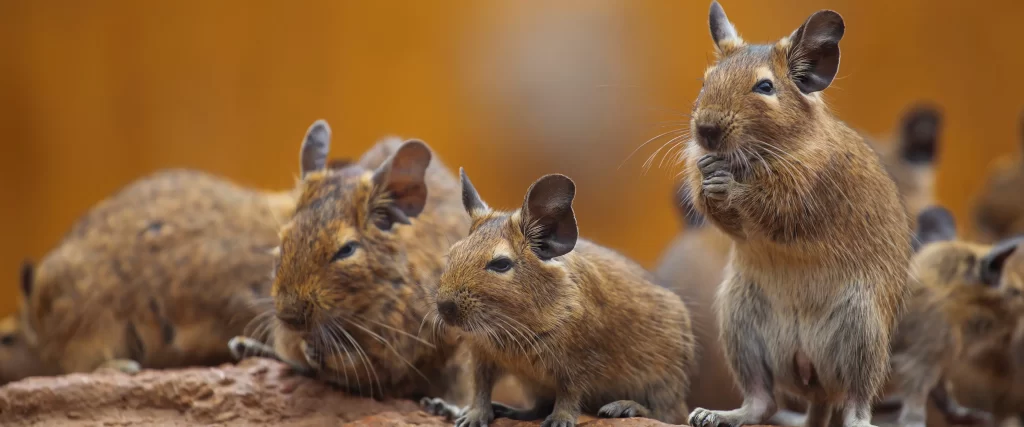
Rodents are attracted to homes, food facilities, and residential buildings for several reasons. Some of the common factors / things attract rodents include:
1. Food sources:
Rodents are attracted to places where they can easily find food. Leaving food crumbs or open containers of food accessible can draw rodents into homes and buildings.
2. Water sources:
Rodents need water to survive, so any sources of standing water or leaks can attract them.
3. Shelter:
Rodents seek shelter in warm, safe places where they can build nests and reproduce. Gaps in walls, ceilings, or floors provide entry points for rodents seeking shelter.
4. Clutter:
Piles of clutter or debris provide rodents with hiding places and nesting materials.
5. Poor sanitation:
Dirty or unsanitary conditions can attract rodents looking for places to scavenge for food and materials.
6. Warmth:
Rodents are attracted to warm areas, especially during the colder seasons. Buildings with easy access to warmth, such as through heating systems or vents, can be appealing to rodents.
To control rodents from being attracted to homes and buildings, it is important to eliminate these attractants by practicing good hygiene, sealing entry points, storing food properly, and maintaining a clean and clutter-free environment.
Why do food sources play a vital role?
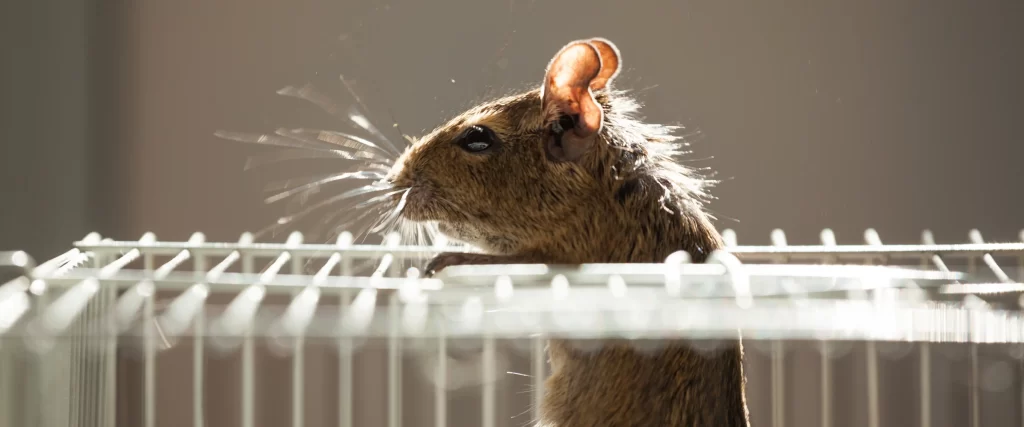
Role of Food Sources in Rodent Behavior
Food sources play a significant role in the behavior and activity of rodents. These pests are opportunistic feeders with a keen sense of smell that allows them to detect even small amounts of food. Once rodents identify a potential food source, they will often return to the area repeatedly, leading to infestations if the issue is not addressed promptly.
Common Food Sources for Rodents
Rodents are attracted to a wide variety of foods, including grains, seeds, fruits, vegetables, meat, pet food, and garbage. In homes and residential buildings, common food things attract rodents most include open food containers, crumbs, spills, improperly stored food, and even pet food left out in the open. Similarly, food facilities such as restaurants, grocery stores, and warehouses are particularly attractive to rodents due to the abundance of food available in these environments.
Impact on Rodent Population
The presence of food not only provides sustenance for rodents but also serves as a powerful incentive for them to establish nests and breeding populations nearby. Rodents are known to reproduce rapidly, with a single pair capable of producing multiple litters in a short period. As such, the availability of food can quickly lead to a burgeoning rodent population if left unchecked.
Olfactory Sensitivity to Food Odors
In addition to the direct attraction of food, the scent of food residues can also guide rodents to potential food sources. Rodents have highly sensitive olfactory senses that allow them to detect food from a distance. Food odors can linger in the air and on surfaces, serving as beacons for rodents searching for a meal.
Influence of Food Handling Practices
The way in which food is stored and handled can also impact the attraction of rodents. Improperly stored food, spills, and food waste left exposed can easily lure rodents into homes and buildings. Crumbs and food particles left on countertops, floors, and in hard-to-reach areas serve as easy pickings for hungry rodents, encouraging them to explore further in search of more food.
Appeal of High-Calorie Foods
Moreover, the type of food available can influence the extent to which rodents are attracted to a particular location. High-calorie, high-protein foods are especially appealing to rodents due to their nutritional value and energy content. Foods with strong odors or flavors can also attract rodents from a distance, drawing them in with the promise of a satisfying meal.
Exploitation of Vulnerabilities
Rodents are adept at exploiting vulnerabilities in food storage and handling practices. They can gnaw through packaging, squeeze through small openings, and navigate through tight spaces to access food sources. Once rodents have identified a food source, they will often establish pathways and burrows to facilitate repeated access to the food supply.
Risks of Rodent Infestations
The presence of food attractants can create conditions conducive to rodent infestations, posing risks to human health and property. Rodents are known carriers of diseases, pathogens, and parasites that can be transmitted to humans through direct contact or contamination of food and surfaces. In food facilities, rodent infestations can result in regulatory violations, loss of inventory, damage to property, and reputational harm.
Effective rodent control and prevention strategies focus on eliminating food attractants and denying rodents access to food sources.
What do mice like to eat?
Mice are opportunistic feeders and like to eat a wide variety of foods. They are omnivores, meaning they consume both plant and animal matter. Some common foods that mice like to eat include:
1. Grains:
Mice are particularly fond of grains such as cereal grains, oats, wheat, rice, and corn.
2. Seeds and nuts:
Mice enjoy seeds and nuts like sunflower seeds, pumpkin seeds, and various types of nuts.
3. Fruits and vegetables:
Mice will consume a variety of fruits and vegetables, including apples, bananas, carrots, and lettuce.
4. Sweets:
Mice have a sweet tooth and are attracted to sugary foods like chocolate, candies, and sweetened cereals.
5. Protein sources:
Mice also seek out protein-rich foods such as meat, fish, eggs, and cheese.
6. Pet food:
Mice may feed on pet food left out in open containers or bowls.
7. Insects:
Mice are known to eat insects such as beetles, cockroaches, and ants.
8. Food scraps and crumbs:
Mice will scavenge for food scraps and crumbs left behind on countertops, floors, and in trash cans.
It’s important to note that while mice have a diverse diet and can consume a wide range of foods, their preferences may vary depending on factors such as availability, accessibility, and individual preferences. In homes and food facilities, it is crucial to store food in secure containers, clean up spills and crumbs promptly, and maintain good sanitation practices to reduce the likelihood of attracting mice and other rodents.
Difference between rodents and insects:
Rodents and insects are both common pests that can infest homes, buildings, and food facilities, but they belong to different classes of animals and exhibit distinct characteristics. Here are some key difference between rodents and insects:
Classification:
– Rodents belong to the class Mammalia and are characterized by features such as fur, mammary glands for nursing their young, and typically giving birth to live offspring.
– Insects belong to the class Insecta and are characterized by features such as a segmented body, six legs, wings (in most species), and typically laying eggs.
Body structure:
– Rodents have a vertebrate body structure with a backbone, four legs, and a tail. They have fur or hair covering their bodies.
– Insects have an exoskeleton, segmented bodies, three distinct body parts (head, thorax, abdomen), six legs, and often wings.
Reproduction:
– Rodents reproduce by giving birth to live offspring. They have relatively few offspring per litter but can have multiple litters per year.
– Insects reproduce by laying eggs, which hatch into larvae or nymphs before developing into adult insects. Insects can lay a large number of eggs, and their life cycles vary significantly across different species.
Diet:
– Rodents are omnivores and will consume a variety of foods, including grains, seeds, fruits, vegetables, insects, and even meat.
– Insects have diverse feeding habits, with some species being herbivores, carnivores, or omnivores. They may feed on plant matter, other insects, decaying organic material, blood (in the case of blood-feeding insects like mosquitoes), or a combination of these.
Behavior:
– Rodents are typically active at night (nocturnal) and may be more social, living in groups or colonies.
– Insects can exhibit a wide range of behaviors, including diurnal (active during the day), nocturnal, social (e.g., ants, bees), solitary, and cooperative (e.g., termites).
Control methods:
– Control methods for rodents often involve trapping, baiting, and sealing entry points to prevent infestations. Rodents may also be controlled using rodenticides under specific circumstances.
– Control methods for insects vary depending on the species but may include physical barriers, insecticides, baits, traps, and integrated pest management strategies tailored to the specific pest species.
Understanding the differences between rodents and insects can help in implementing effective pest control measures tailored to the specific pest issue at hand. Proper identification of the pest species is essential for choosing the most appropriate control methods and prevention strategies.

how to outsmart winged city dwellers in NYC to reclaim your urban space
How to outsmart winged city dwellers in NYC to reclaim your urban space Dealing with pigeons nesting and roosting on or near your property can be a nuisance and potentially